
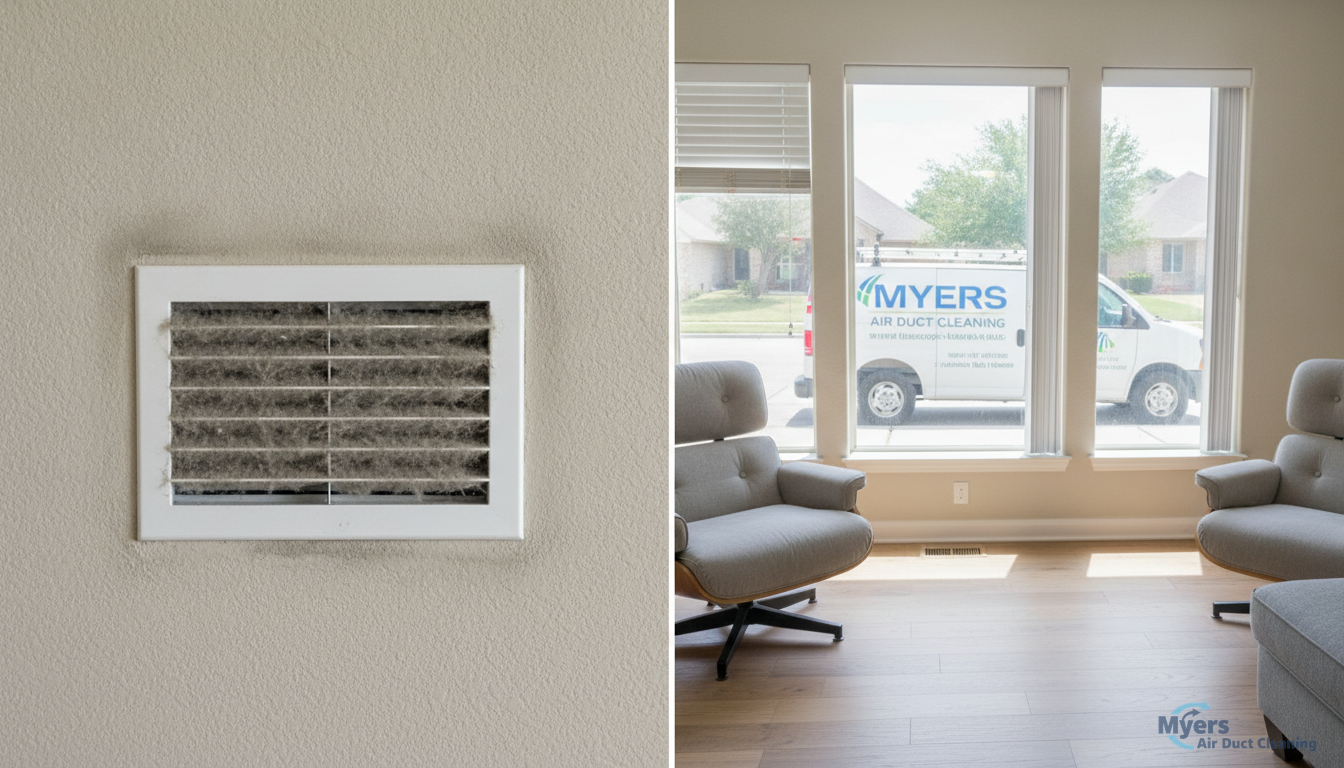
Your Duct System Is Trying to Tell You Something
Most Austin homeowners never think about their ductwork until something goes visibly or dramatically wrong. That's understandable — ducts live in attics, crawl spaces, and wall cavities, completely out of sight. But the duct system is the circulatory system of your entire HVAC setup, and when it develops problems, the effects ripple outward into your comfort, your energy bills, and your family's health. The good news is that your home will usually give you plenty of warning signs before a duct issue becomes a major expense.
Here are five signs that your Austin home's ductwork needs professional attention — and what each one typically means.
Sign 1: Your Energy Bills Keep Climbing Without Explanation
Austin's summers are brutal and long, and homeowners expect high utility bills from June through September. But if your bills are significantly higher than comparable months in prior years — and you haven't changed your thermostat habits or added square footage — your ductwork may be leaking conditioned air into your attic rather than delivering it to your living spaces.
According to the U.S. Department of Energy, duct leakage can account for 20 to 30 percent of total HVAC energy consumption in a typical home. In a city where Austin Energy bills can run $300 to $400 per month in peak summer, that's a substantial hidden cost. Leaks most commonly develop at trunk-to-branch connections, flexible duct collar fittings, register boot interfaces, and the plenum connections at the air handler — all areas that are easily addressed with professional duct sealing using mastic sealant and UL 181-rated foil tape.
If you suspect leakage is costing you money, the right first step is an air duct inspection to document exactly where losses are occurring before any sealing work begins.
Sign 2: Some Rooms Are Much Hotter or Colder Than Others
Uneven room temperatures are one of the most common complaints from Austin homeowners, and ductwork problems are one of the most common root causes. If your living room is a comfortable 72 degrees while your upstairs bedroom is 82 degrees with the thermostat set identically, you likely have a duct issue affecting delivery volume to the warmer rooms.
The causes can vary: a disconnected duct joint in the attic that's dumping conditioned air directly into the insulation, a collapsed section of flexible duct that's throttling airflow, a clogged register that's blocking supply air, or a return grille so packed with dust that your system is starved for intake air. Homes in Hyde Park and Tarrytown with original duct systems from the mid-20th century are especially susceptible to disconnected joints and deteriorated flex duct that no longer maintains its shape.
A camera-assisted duct inspection can locate disconnected joints and collapsed sections that would otherwise require demolishing finished ceilings to find, and our technicians document every finding with photos so you can see exactly what's happening inside your system before deciding on next steps.
Sign 3: You Notice Musty or Stale Odors When the HVAC Runs
If running your air conditioner or heating system produces a musty, stale, or dusty smell throughout your home, your duct system is broadcasting a contamination problem. The most common culprits are mold or bacterial growth on duct interior surfaces, accumulated biological debris that has been baking in the heat of an Austin attic, or a moisture source near the air handler that is introducing humid air into the duct system.
Austin's high spring and summer humidity creates ideal conditions for mold colonization inside ductwork — particularly in homes with older air handlers, duct board construction, or any history of flooding or water intrusion. Left untreated, moldy ductwork continuously recirculates spores throughout your living areas every time the system runs.
The solution typically involves a full air duct cleaning followed by air duct sanitizing using EPA-registered antimicrobial fogging treatment. The cleaning removes the physical debris and loose contamination, while the sanitizing treatment neutralizes mold spores and bacteria embedded in duct liner surfaces that mechanical brushing alone cannot fully address. Myers Air Duct Cleaning serves homeowners dealing with exactly this combination of problems throughout Travis County, including Rollingwood, Mueller, and South Congress.
Sign 4: Visible Dust Buildup Around Registers and Vents
Take a close look at the supply registers and return grilles in your home. If you see visible rings of grey or brown dust on the wall or ceiling around each register opening, or if the grille faces themselves are coated in a thick layer of debris, your duct system has a contamination level high enough that it's depositing material on surfaces every time the system cycles.
This is especially common in Austin homes that have gone three or more years without a duct cleaning, in homes that have undergone recent renovations (drywall dust is particularly aggressive at clogging duct systems), and in homes with multiple pets. Clogged return grilles — which typically accumulate far more debris than supply registers because they're drawing air in rather than pushing it out — can restrict airflow enough to cause your evaporator coil to freeze, forcing an expensive service call.
Our HVAC register and grille cleaning service addresses this directly: each register and grille is removed, soaked in cleaning solution, scrubbed clean, and reinstalled. It's a visually dramatic service — homeowners are often shocked at how much debris comes off components they considered clean — and it pairs naturally with a full duct cleaning for a complete system refresh.
Sign 5: Allergy and Respiratory Symptoms Worse Indoors Than Outdoors
This is perhaps the most telling sign of all. If members of your household consistently experience worse allergy symptoms, asthma flare-ups, or general respiratory irritation inside your home than outside — especially during HVAC operation — your duct system may be a significant contributor. While Austin's outdoor air quality is challenged by cedar pollen, oak pollen, and summer ozone, indoor air quality in a home with heavily contaminated ductwork can actually be measurably worse than outdoor air.
Ductwork accumulates dust mites, pet dander, pollen, mold spores, and general particulate matter over years of operation. Every heating or cooling cycle draws air across all of those accumulated contaminants and redistributes them into breathing zones. For households in Hyde Park or Tarrytown with older homes and long-uncleaned ducts, the concentration of allergens inside the duct system can be substantial.
A professional air duct cleaning following NADCA standards — which is the foundation of Myers Air Duct Cleaning's process — removes those accumulated contaminants at the source rather than simply masking symptoms. Combined with duct sanitizing and fresh register cleaning, the complete service delivers measurably cleaner indoor air quality that allergy sufferers will notice quickly.
What to Do Next
If you recognized one or more of these signs in your Austin home, the next step is getting a professional assessment. Myers Air Duct Cleaning offers camera-assisted duct inspections that document the actual condition of your system before we recommend any work. There's no guessing and no upselling based on conditions you can't verify — every finding comes with photographs you can review before making any decisions.
We serve homeowners throughout Austin and Travis County, including South Congress, Hyde Park, Tarrytown, Rollingwood, and Mueller. Our team is available Monday through Sunday, 8:00 AM to 6:00 PM.
Call +1 (737) 339-8886 or email [email protected] to schedule your inspection or cleaning today. Explore our complete service menu including dryer vent cleaning and duct sealing to address every aspect of your home's ventilation system in a single visit.
Need Service?
Call +17373398886 or fill out our online form for a free, no-obligation quote.
Request Free Quote